Sky High Living
Urban populations are growing at a remarkable pace. Cities across the UK and beyond are responding to this pressure by building upwards, and an increasing number of people are choosing high-rise apartments as their primary residence. What was once seen as a compromise is now, for many, a lifestyle of choice.
The pull of urban living
The appeal of city living has never been stronger. Jobs, amenities, entertainment, and transport links are concentrated in urban centres, making proximity to these hubs a priority for many residents. High-rise apartments offer exactly that — a foothold in the heart of the city, without the premium price tag of a terraced house or townhouse in the same postcode.
Affordability and the housing crisis
Across major cities like London, Manchester, and Birmingham, property prices have soared over the past two decades. For first-time buyers and renters alike, a high-rise flat is often the most financially viable route into a desirable area. Developers have responded accordingly, with tall residential towers now forming a significant part of new housing stock in urban regeneration zones.
Changing attitudes towards apartment living
There is also a notable cultural shift at play. Younger generations, particularly millennials and Gen Z, tend to prioritise experiences and flexibility over square footage. A well-designed apartment with communal spaces, a rooftop terrace, and a concierge service can feel far more appealing than a larger home that requires significant upkeep. For this demographic, the trade-off makes sense.
Design and technology raising the bar
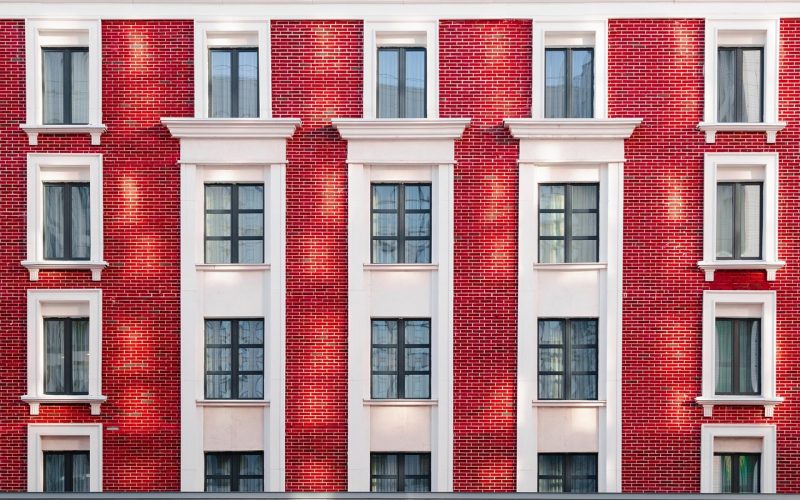
Modern high-rise developments bear little resemblance to the brutalist towers of the 1960s and 70s. Advances in architecture and building technology have produced taller, safer, and more energy-efficient structures. Floor-to-ceiling windows, smart home systems, and shared wellness facilities have transformed the high-rise experience, attracting a broader range of residents — including families and older professionals who might have previously dismissed apartment living altogether.
Environmental considerations
Sustainability is another factor driving interest in vertical living. High-density housing uses land more efficiently, reducing urban sprawl and preserving green spaces on the city's edges. Many new towers are built to high environmental standards, incorporating renewable energy sources and low-carbon materials. For residents who are conscious of their environmental footprint, a modern high-rise can actually represent a more responsible choice than a detached home in the suburbs.
Looking ahead
The trend towards high-rise living shows no signs of slowing. As cities continue to grow and land becomes increasingly scarce, building upwards is one of the most practical solutions available. What matters now is ensuring that these developments are designed thoughtfully — with community, safety, and wellbeing at their core. When done well, high-rise living has the potential to offer a genuinely fulfilling urban experience for a wide range of people.